Atualizado em por Rita Moreira
Primeiro explicamos aqui no blog os tipos de papel e lápis grafite utilizados nos desenhos realistas. Depois, orientamos sobre o ambiente ideal para desenhar, música e como acertar na precificação dos seus trabalhos. Agora, chegou a vez de apresentarmos como os segredos de luz e sombra tornam os desenhos tão impressionantes, com volume e profundidade, que “saltam do papel”.
A mudança gradual da luz para a escuridão é o efeito mais importante no acabamento dos desenhos realistas, criando a ilusão de terceira dimensão. Essa técnica de contraste na representação dos objetos é chamada chiaroscuro. Teve origem na pintura renascentista do século XV.
Dominar a transição entre as diferentes tonalidades de grafite é um desafio para os iniciantes, que muitas vezes evitam escurecer áreas do desenho, fazendo com que o trabalho final seja pálido. Ou, quando ocorre o contrário e o traço é muito forte, resulta em desenhos carregados e muito escuros.
O que é luz e sombra em desenho realista?
Luz e sombra é a técnica que cria a ilusão de terceira dimensão no desenho realista, controlando a transição gradual do claro ao escuro para dar volume e profundidade ao papel. Também chamada de chiaroscuro, ela depende de identificar cinco níveis de iluminação (brilho, meio tom, sombra própria, sombra projetada e luz refletida) e aplicar cada um com o grafite adequado à intensidade desejada.
Aplicação de luz e sombra na prática
O primeiro passo na técnica é estabelecer o posicionamento da luz. Considere os diversos planos de um objeto:
- direita;
- esquerda;
- cima;
- baixo;
- frente;
- trás.
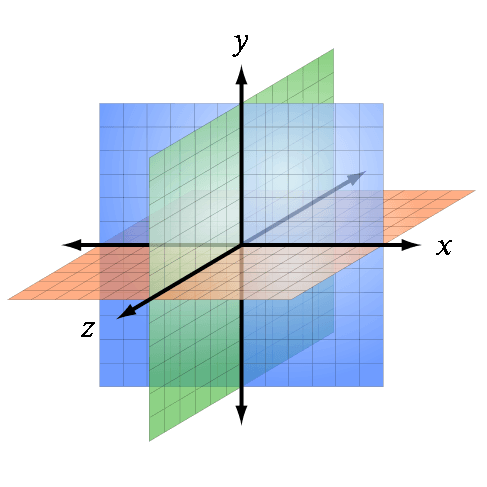
A luz poderá incidir diretamente em apenas três destes lados. Ao escolher as faces que não receberão luz, você deve escurecer gradualmente para conferir a profundidade. A incidência de claridade então será inversamente proporcional à tonalidade da pigmentação.
Se estiver utilizando o lápis grafite, dê preferência a graduações acima de 2B para as áreas de sombra e use lápis mais duros como 2H, H e HB para as áreas claras. O foco de luz mais dura deve ficar sem preenchimento ou ser definido com o auxílio de uma borracha.
Além disso, se o objeto estiver posicionado sobre uma superfície lisa, é importante considerar o reflexo no desenho e a sombra projetada.
No desenho realista baseado em fotografias não nos preocupamos de forma tão consciente sobre a direção da luz, pois esta já está imposta na imagem, basta apenas copiá-la. Nesse caso, volta a imperar a percepção. É preciso treinar a percepção não só às formas, mas também ao tom.
Veja algumas dicas para perceber melhor os tons:
- Utilizar sempre a referência impressa em preto e branco, pois uma imagem colorida pode gerar confusão ou imprecisão na percepção do tom.
- Colocar uma folha sulfite branca ao lado do tom que se observa e depois ao lado da parte correspondente no desenho, pois o branco do papel serve de referência para comparar os tons.
- Apertar um pouco os olhos para que a visão fique meio embaçada, o que ajuda a desapegar dos detalhes e focar mais nos tons gerais.
- Preencher alguma área de tom bem escuro ou preto em algum ponto do desenho, para que se tenha uma base do preto e assim conseguir chegar melhor aos tons intermediários, diminuindo a chance de o desenho ficar sem contraste.
Se você já se pegou olhando para um desenho e sentindo que “falta alguma coisa”, quase sempre é aqui que a resposta mora. Nossa análise sobre como saber se o seu desenho está claro ou escuro mostra 17 verificações práticas que se apoiam exatamente nessa leitura de tons.
Os 5 níveis de iluminação
Para dominar a técnica dos desenhos realistas é preciso saber identificar as diferentes tonalidades de iluminação:
1. Brilho: onde é o principal foco de incidência da luz, ou seja, a área que não será pintada. Em nuances mais complexas também será possível distinguir a luz natural (sol) da luz artificial (lâmpada, vela) pela intensidade e pela cor.
2. Meio tom: aplicação branda do grafite, obtida utilizando lápis intermediários com pressão leve.
3. Sombra: área do objeto que recebe pouca ou nenhuma luz. Conheça os efeitos de sombra mais conhecidos:
- Chapado: tom uniforme, sem meio tom, útil para representar superfícies planas.
- Esbatido: transição gradual de pressão ou de tonalidade do lápis, criando um degradê natural.
- Esfumado: efeito de fumaça obtido esfregando algodão, papel ou esfuminho sobre o grafite.
- Pontilhado: transição feita pela variação da concentração de pontos numa área.
- Hachuras: riscos de linhas próximas ou afastadas que sugerem tonalidade.
4. e 5. Sombra projetada e luz refletida: quando há outro objeto ou uma superfície próxima, é possível que sejam projetadas sobre ela uma sombra que ajuda a compor o realismo do desenho. Seguindo a mesma lógica, a incidência de luz refletida ajuda a definir as bordas de um objeto e a dar densidade às áreas escuras.
Efeitos percebidos em desenhos realistas
Usando as ferramentas certas é possível conseguir efeitos impressionantes, ajustando o contraste de maneira a criar texturas e expressões vivas, repletas de emoção. No vídeo abaixo, o professor Charles Laveso demonstra a utilização do esfuminho no acabamento de suas obras.
Recomendamos a utilização de papel com gramatura acima de 140g/m² e utilizando sempre o lado mais liso do papel para que seja possível aplicar os efeitos de luz e sombra, além da textura, que pode ter aspecto de:
- plástico;
- algodão;
- metal;
- metal escovado;
- pele humana;
- entre outros.
Cada tipo de superfície exige uma combinação específica de brilho e sombra. Áreas espelhadas do cabelo, por exemplo, precisam de um contraste bem definido: veja como aplicar essa lógica em como fazer cabelo com brilho mais realista.
Técnica e criatividade
Uma vez que você seja capaz de identificar as diferentes nuances de luz e sombra em desenhos realistas, o próximo passo é exercitar essa percepção. A prática consciente com referências variadas acelera a leitura de tons e faz com que o traço passe a acompanhar naturalmente o que os olhos já entenderam.
Se estiver revisando toda a base técnica, vale conferir também quais materiais realmente fazem diferença nos desenhos realistas e como escolher a graduação certa em tons de cinza: os tipos de lápis para desenho.
Perguntas Frequentes
Por que meu desenho fica pálido ou muito escuro?
O erro mais comum de iniciantes é evitar escurecer as áreas de sombra por medo de errar, o que deixa o desenho pálido e sem contraste. O oposto também acontece: pressionar demais o lápis em toda a extensão do papel resulta em desenhos carregados, com todos os tons na mesma faixa e sem hierarquia visual. A correção vem de escolher lápis grafite diferentes para cada tom (2H para claros, HB para meios, 2B ou mais macios para escuros) e reservar o branco do papel intocado para o brilho. Um pequeno teste ao lado do desenho ajuda a calibrar antes de aplicar no trabalho final.
Qual a diferença entre esfumado, esbatido e chapado?
Chapado é o efeito de sombra sem transição, com o tom aplicado uniformemente numa área única, útil para representar superfícies planas. Esbatido é a transição gradual entre tonalidades, feita pela variação de pressão do lápis ou pela troca de graduações do grafite, criando um degradê natural. Esfumado é o acabamento em efeito de fumaça, obtido ao esfregar algodão, papel ou esfuminho sobre o grafite já aplicado, o que dilui as marcas do traço. Cada um serve a um propósito diferente e podem ser combinados no mesmo desenho para representar materiais distintos, como pele humana, metal ou tecido.
Como saber se acertei o contraste do desenho?
Aperte um pouco os olhos ao olhar para o desenho e para a referência ao mesmo tempo. Se a imagem ficar meio embaçada e você ainda enxergar formas claras e escuras bem separadas, o contraste está funcionando. Se tudo virar uma massa cinza uniforme, provavelmente faltam pretos ou o brilho não foi preservado. Outra verificação útil é imprimir a referência em preto e branco e colocá-la ao lado do desenho: essa comparação lado a lado revela na hora quais áreas ficaram mais claras ou mais escuras do que deveriam ficar.
Vídeos Recomendados

Meu E-book foi Feito com IA - Vende 3800 por Semana

Low Ticket Definitivo: R$ 5.000 p/ Mes, 1 Produto, Sem Aparecer
Meu E-book foi Feito com IA - Vende 3800 por Semana
Low Ticket Definitivo: R$ 5.000 p/ Mes, 1 Produto, Sem Aparecer

Produto Automatico com ChatGPT - Comece a Vender em Menos de 2h

DEEPSEEK + KIWIFY: Fiz R$4.750/MES - Metodo Completo

Como Faco R$4.552 por SEMANA na KIWIFY - Nova Estrategia

Criei um Negocio do Zero com ChatGPT em 24h - Mostro Tudo