Updated on by Rita Moreira
Most artists pour hours into a drawing and then watch it vanish into an Instagram feed within a day. Pinterest works the other way round: a single pin can keep sending people to your work for months, sometimes years, after you first post it.
I run the Pinterest account for this blog, and the pins bringing the most visitors today are ones I saved a long time ago. Here is how I treat Pinterest as a search engine for your art, rather than just another social platform.
What is Pinterest for artists, and does it actually work?
Pinterest is a visual search engine where people save images to themed boards and click through to the original source. For artists it is a discovery channel: your drawings surface in searches, and every pin links straight back to your portfolio. With 640 million monthly active users, according to the Pinterest Newsroom, the reach is real and the traffic keeps coming.
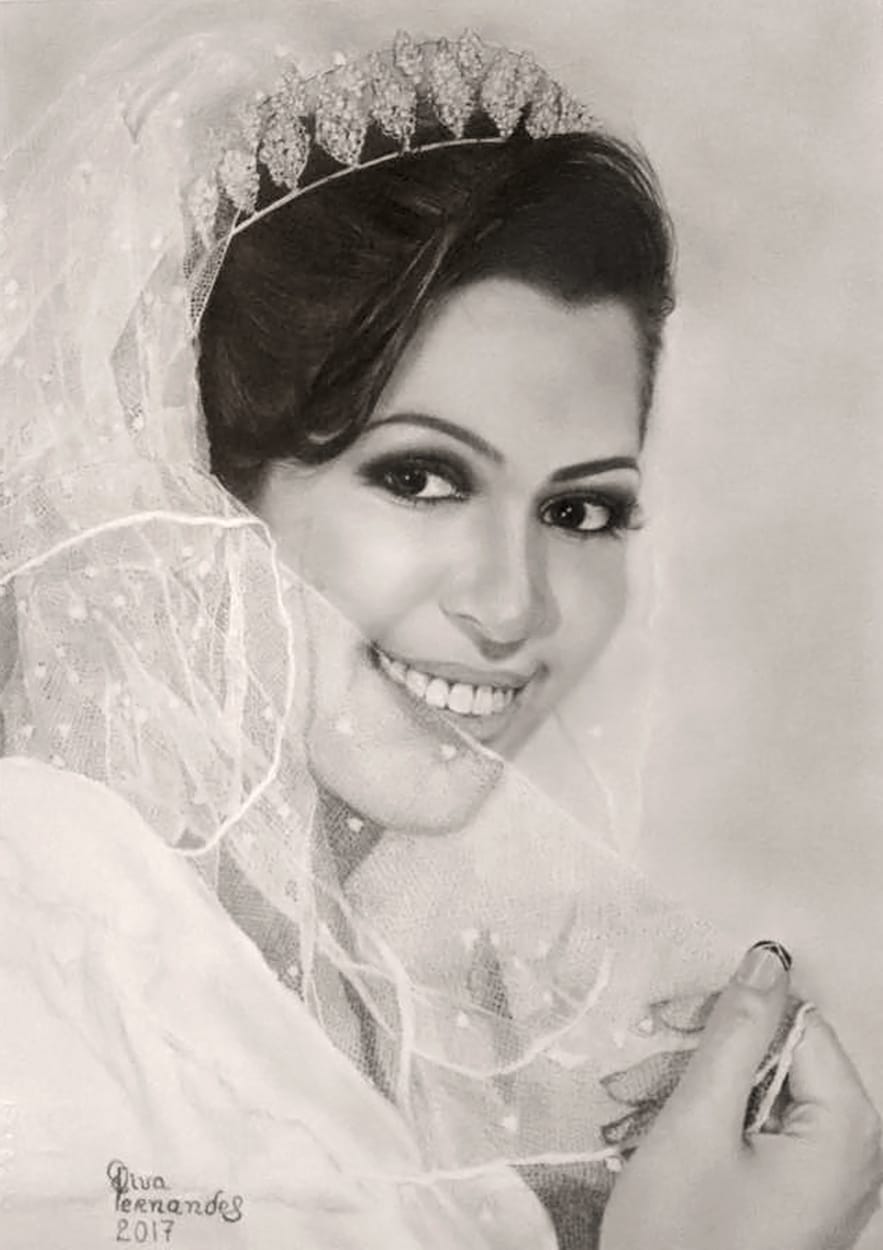
The honest answer is that it works if you treat it like search, not like a feed. On Instagram you chase followers and today’s post; on Pinterest a well described pin can be found by a stranger next spring. That slow, compounding visibility is exactly what a self taught artist building a portfolio wants. My realistic graphite portraits still pull in visitors from pins I made two years ago.
Why Pinterest behaves like a search engine, not a social feed
Pinterest ranks pins by relevance to a search, so keywords and clear descriptions matter far more than posting at the perfect hour. Users type things like “realistic pencil portrait” into the bar, and the platform serves the pins whose titles, descriptions and boards match. Pinterest reports that people save around 5 billion Pins every week, which tells you how much people search and collect there.
This changes how you should think. A polished drawing with a lazy caption (“my new art”) will struggle, while a decent drawing with a rich, specific description can travel a long way. Google also indexes Pinterest heavily, so a strong pin often shows up in ordinary web searches too, becoming a second front door to your realistic pencil drawing portfolio.
How to set up a professional Pinterest profile for your art
Start with a free business account, not a personal one. It unlocks analytics and lets you verify your website, which is the whole point: you want the traffic to leave Pinterest and land on your own portfolio. Setting it up properly takes about ten minutes and pays off every time someone finds you.
- Create a Pinterest business account (or convert your existing personal one in Settings).
- Add a clear display name that includes what you do, for example “Rita, realistic pencil portraits”.
- Write a short bio saying who you are, your medium, and where people can commission or follow you.
- Claim your website so your profile photo appears on every pin from that site.
- Link your other channels, such as Instagram, so your presence feels joined up.
Once the profile is live, you can start pinning. The quickest route is the “Save” (Pin it) browser button, which lets you pin any image straight from your site with one click. You can also open the “Create” menu and upload files by hand, adding the title, description and link as you go.
How to use keywords and boards so people find your art
Keywords and boards are how Pinterest understands your work, so both need to describe the art plainly. In each pin description, say what the piece is, the technique used, and what makes it worth a second look. Skip vague hashtag spam; a natural sentence packed with the words a real person would search beats twenty tags.
Boards are your filing system, and a tidy set of themed boards keeps your profile easy to browse while giving Pinterest extra context. Organise them by subject, medium or technique. Here is a simple starting structure:
| Board name | What goes in it | Example keyword |
|---|---|---|
| Realistic Portraits | Face and figure drawings | realistic pencil portrait |
| Graphite Studies | Objects, hands, textures | graphite drawing tutorial |
| Reference Photos | Images you draw from | portrait reference photo |
| Work in Progress | Stage by stage shots | pencil drawing steps |
A “Reference Photos” board is worth a mention on its own, because Pinterest is where a lot of us find source images in the first place. If that is how you work, my notes on choosing good reference photos for drawing will save you some dead ends.
How to turn pins into visits to your portfolio
The point of every pin is the click through, so make the destination link count and use the formats Pinterest rewards. Vertical images win: Pinterest recommends a 2:3 aspect ratio, ideally 1000 by 1500 pixels, in its product specifications. Portrait shaped pins take up more of the feed and simply get seen more.
Set up Rich Pins too. These pull extra detail (such as your page title and description) straight from your site onto the pin, which builds trust and keeps your branding consistent; Pinterest explains the process in its guide to Rich Pins. Then be a genuine part of the community: save other artists’ work, reply to comments, and follow people whose drawing you admire. Generosity gets noticed, and it quietly widens your reach.
One last habit worth building is measurement. Pinterest analytics shows which pins actually send people to your site, and treating that like a feedback loop, much as I do when I track my art progress, tells you what to make more of. Post consistently, pin your best hyperrealistic pencil drawing work, and let the compounding do its job.
Frequently Asked Questions
Is Pinterest still worth it for artists in 2025?
Yes, and arguably more than before. Pinterest keeps growing, reaching 640 million monthly active users, and its search first design suits artists better than feed based apps where posts disappear in a day.
Because pins surface through search rather than a timeline, older work keeps resurfacing. A drawing you pinned last year can still earn clicks today, which is why so many artists keep it in their mix as a slow, dependable source of portfolio traffic. The catch is that it rewards patience: you may see little for the first few weeks before pins start to gain traction.
What do artists say about Pinterest on Reddit?
On art subreddits the common view is that Pinterest is a strong traffic source but a weak place to sell directly. Most artists use it to funnel people towards a portfolio, shop or commission page rather than expecting sales on the platform itself.
The other recurring complaint is image scraping: your work can be re pinned without credit, and sometimes ends up on sites you never chose. Watermarking discreetly and always linking pins back to your own site are the usual defences people recommend, so that even a stray re pin still carries a trail back to you.
Are there Pinterest alternatives for artists?
There are, though none replace it neatly. ArtStation and Behance suit polished portfolios, Instagram covers day to day sharing, and Cara has drawn in artists wary of AI scraping. Each has strengths, but none matches Pinterest’s search driven, long lasting reach.
In practice most people run Pinterest alongside these rather than instead of them. Pinterest handles long term discovery, while the others handle community and immediate feedback, so the sensible move is to use each for what it does best rather than betting everything on one platform.
Did this article help you? You can buy me a coffee so I can keep creating free guides like this one.